From Algorithm to IND: Two Molecules, $250 Million, and a Shot at Reinventing Antibiotic Discovery
Insilico Medicine’s ISM-001 and Iktos’s IKT-014 have done what nobody else has in 40 years, entered the clinic as first-in-class antibiotics, their origins rooted primarily in AI-based discovery. Backing for the two programs already tops $250 million, a sum sourced from a mix of venture firms and sizable public-private non-dilutive R&D grants. In Insilico’s case, the headline-grabbing $143 million Series D in 2023 was marketed as a wager on its AI platform, though at least $30 million is specifically designated for advancing ISM-001 into first-in-human studies. Over in Paris, Iktos locked in €50 million, private capital and grant dollars blended to fuel IKT-014 through preclinical and early-phase human testing.
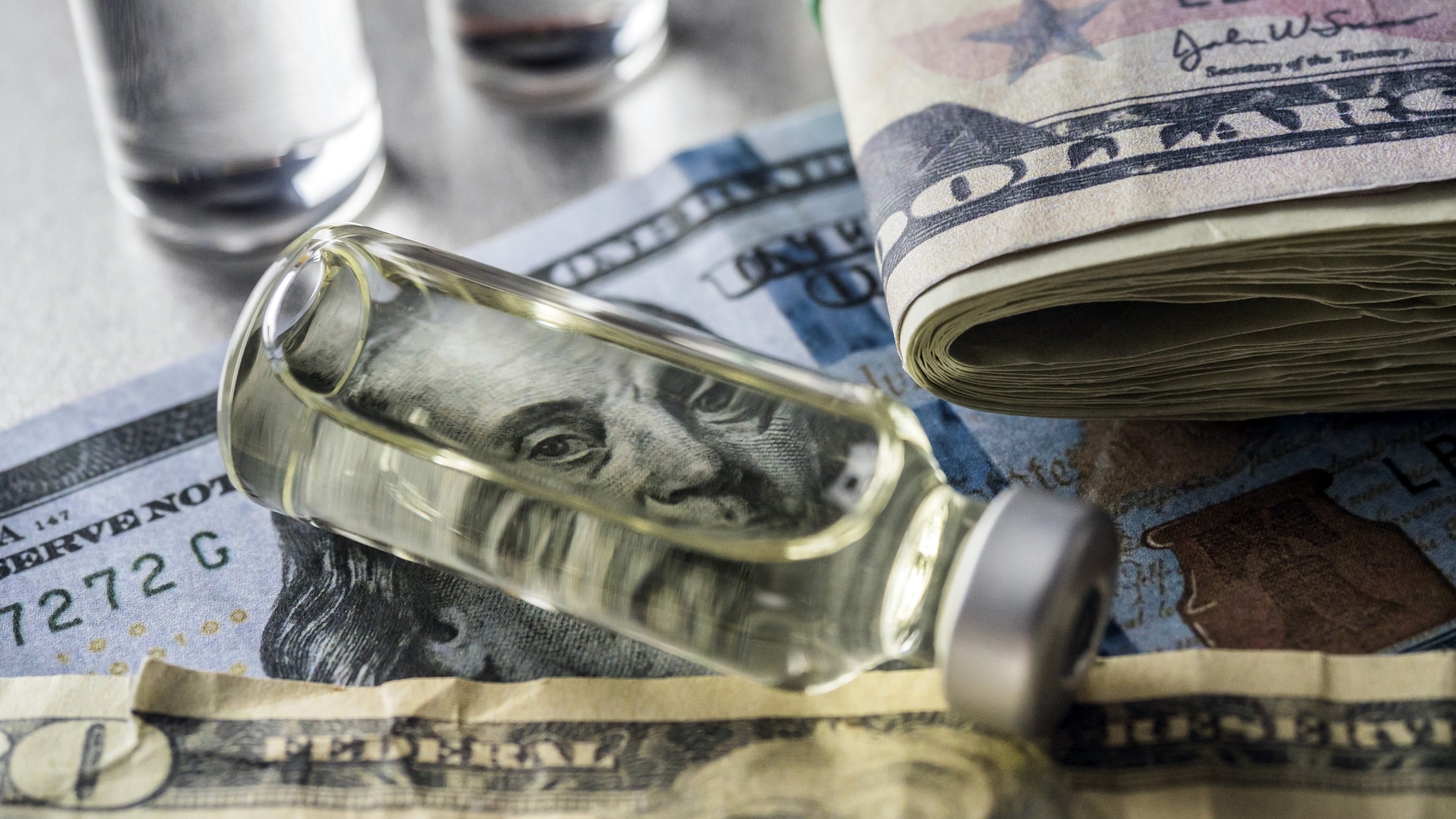
By cancer standards, these numbers look modest. But in antibiotics, a sector where even successful drugs rarely clear $400 million at peak, this is serious money. More than just a box to check, moving into human trials signals whether years of computational chemistry and algorithm development can deliver not just theoretical novelty, but drugs with the safety, pharmacokinetic, and resistance profiles needed to earn their keep. It's the kind of inflection point the field hasn’t seen since the heyday of the macrolides.
Novel Mechanisms and Preclinical Wins: AI’s Edge, But Resistance Is Relentless
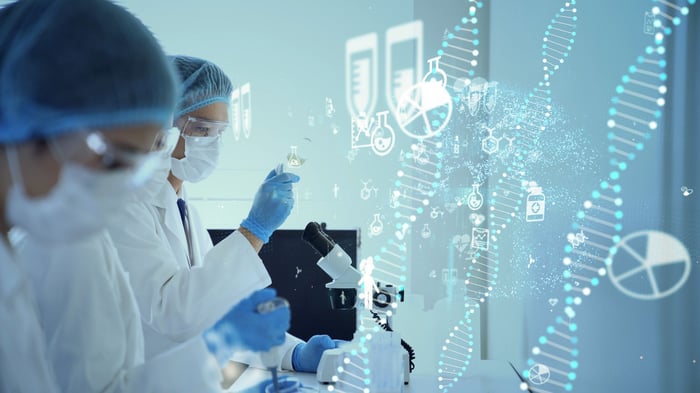
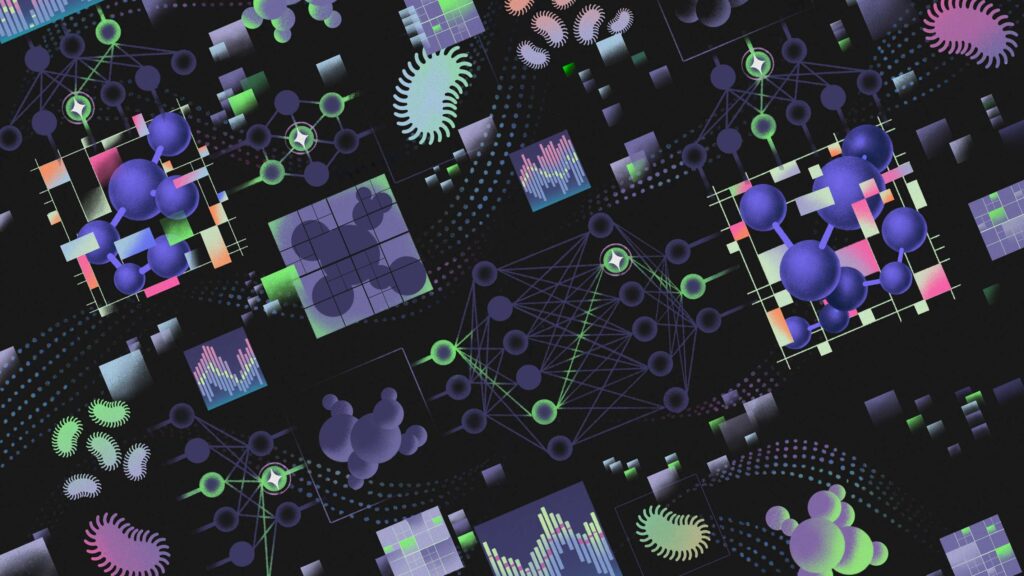
AI is touted as the solution to the “low-hanging fruit” problem: traditional screening circles around the same old scaffolds, over and over. Insilico’s ISM-001, discovered with generative adversarial networks and multi-objective optimization, stands as evidence of what’s possible. Its mechanism, targeting a non-classical bacterial enzyme, hadn’t surfaced anywhere in the drug discovery literature until a 2022 preprint. Iktos, for its part, uses reinforcement learning to prioritize truly novel molecules, ones designed as much for their resistance-evading features as for in silico binding affinity.
Both companies report preclinical metrics that would turn heads at any pipeline review: MICs against critical pathogens that are 10-50 times better than their closest reference compounds, and real efficacy in standard mouse sepsis models. Yet this is still just the starting line. The human clinical protocols remain classically conservative, dose-escalation, healthy volunteers, safety first. The elephant in the room? Resistance doesn’t wait for trial readouts. It evolves in months, not years. AI can accelerate candidate generation, but the world is still waiting to see if these molecules can hold up once real-world resistance pressures kick in. Payers, already skeptical of premium prices for new antibiotics, will demand clear, durable advantages before opening the checkbook.
To examine current resistance trends and see where commercialized antibiotics stand, ClinicalRx.ai keeps up with the latest antibiogram data and guidance.
The Economic Headwinds No Algorithm Can Fix
By now, everyone in the sector knows: even the best new antibiotics rarely sell. Clearing FDA isn’t enough, annual sales often stall below $150 million, and more than a few approved drugs have ended up discontinued, written down, or scooped up in fire sales. Phage therapy and AI-discovered drugs face similar market paradoxes. The unmet need is glaring. The real-world revenue, not so much. Stewardship rules keep volumes low, payers shy away from high-cost launches, and generic erosion snaps at the heels of even the most innovative therapies. The UK’s “Netflix model” dangles up to £10 million per year, but that’s small change for anyone betting on blockbuster returns.
So why are investors writing checks? It boils down to two big hopes. First, these platforms might yield assets so unambiguously superior that governments and health systems will step up with bigger pull incentives or block purchases. Second, and arguably more important, the proprietary AI engines themselves. If early clinical results impress, licensing and acquisition of the platform technology for other infectious (or non-infectious) campaigns could generate the kind of returns that single drug launches never will. Insilico’s last funding round topped $1 billion in valuation, a figure resting squarely on platform potential, not near-term antibiotic sales. But none of it will matter if ISM-001 or IKT-014 stumbles in Phase II, or ends up boxed into narrow, non-lucrative indications. VCs have long memories when platforms don’t deliver.
Drug pricing always sparks debate, especially here. Listen to a few payer panelists at an AMR conference, you’ll hear the same questions. For up-to-date pricing and reimbursement policies, see RxInfo.ai.
Where Deals Happen, And Who’s Likely to Make Them
When it comes to acquirers, Big Pharma continues to circle from a distance, not truly committing. Yes, Pfizer and Merck have explored AI-enabled R&D partnerships, but nobody has snapped up an AI antibiotic company with a transformative offer. Instead, most likely buyers will remain the specialty pharma set, think Spero or Paratek, or public sector buyers operating out of BARDA and the UK’s subscription pilot. Deal structures so far? Option-driven, with modest upfronts in the $10-50 million range and payouts heavily backloaded. Lots of “if you get to Phase II/III” and “if the market materializes” clauses.
PBMs? Not happening anytime soon. Antibiotics are pass-through costs, and commercial payers extract almost no margin here unless it’s tied to value-based hospital contracting. For a more technical rundown of how reimbursement works in this space, RxPBM.ai has the details.
And then there’s the ever-shifting winds of policy. Should governments in the US or EU commit to broader delinkage approaches, paying for access, not volume, AI-discovered assets could become much more attractive. But strip away the policy chatter, and it all comes back to brass tacks: the data. Clinical efficacy, resistance profiles that truly stand out, and the ability to hit cost and stewardship targets. That’s what buyers, whether state-backed or commercial, will demand.
Can AI finally crack the code where decades of pharma R&D have fallen short? The answer’s set to emerge over the next year and a half. For now, the gap between what’s possible in silico and what’s paid for in the real world remains as wide as ever. That’s the reality, much as some boosters would love to say otherwise.