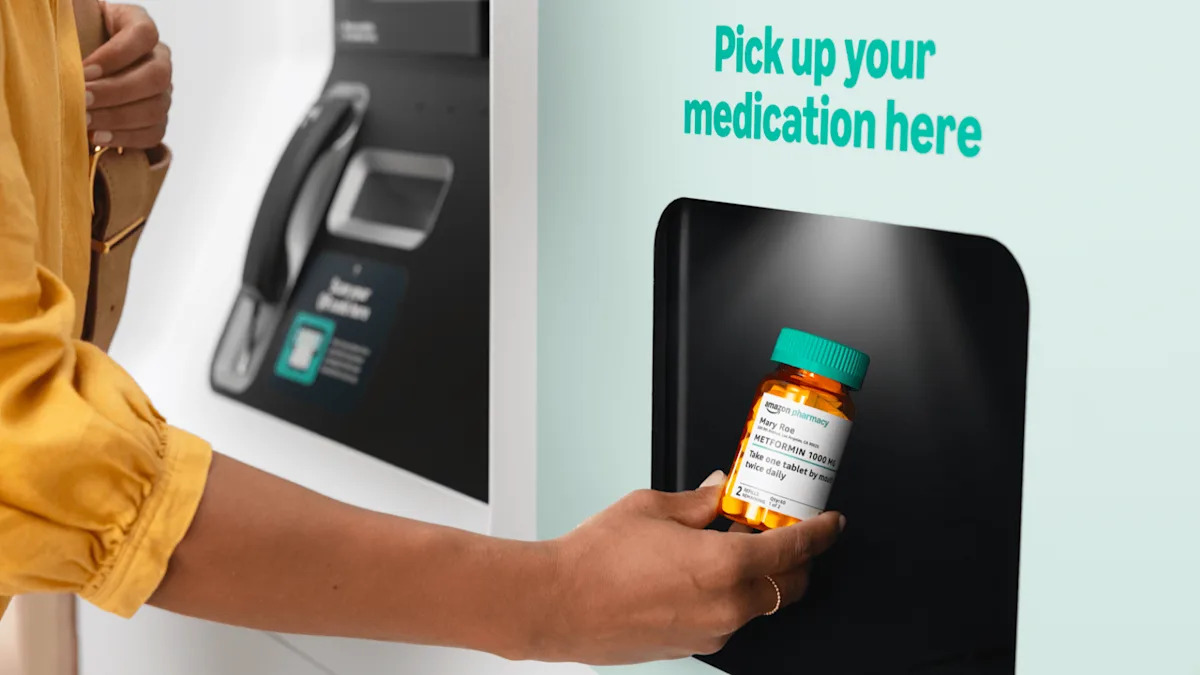
Amazon’s $5 Prescription Bet and the Ripple in PBM Networks
When Amazon rolled out its $5-a-month RxPass for generics in early 2023, the established PBMs immediately dove into the numbers. By 2025, internal estimates from contract negotiations this spring project nearly 10% of commercially insured generic fills could slip outside the legacy PBM-pharmacy network. That looming risk is precisely why some PBMs have started adding “Amazon carve-out” language in their 2025 RFP responses to self-insured employer groups.
For decades, PBMs have relied on two pillars: broad network access and tight grip over reimbursement rates. Amazon is methodically unraveling both, bypassing the old system with streamlined cash pricing and direct-to-door fulfillment. The RxPass generic list is limited, but the impact is outsized. Most of those molecules, think lisinopril, sertraline, metformin, comprise 60-70% of mail-order generic volume for the big three PBMs. Amazon isn’t nibbling at the margins here; it’s targeting the very molecules that anchor PBM mail-order economics.
If you want an unvarnished look at what patients really pay at the counter versus what’s adjudicated on claims, see RxInfo.ai.
PBMs Push Back: Contract Tactics and Realignments for 2025
Negotiations around 2025 PBM contracts have gotten noticeably more contentious. Several Fortune 500 employer groups, many of whom were once satisfied with “any willing pharmacy” networks, now face PBM contract amendments specifically excluding Amazon Pharmacy, or requiring higher co-pays for scripts filled by Amazon. Take the recent case of a 40,000-life Midwest employer: their PBM insisted Amazon-routed claims wouldn’t count toward deductibles or rebate guarantees. For employers, this is a clear tightening of the screws.
What’s driving this harder edge? Margin compression. Amazon’s all-in price for a 90-day supply of a top generic commonly lands 40-60% below PBM-negotiated mail-order, stripped of spread pricing and clawbacks. When Amazon undercuts retail co-pays by $10-20 per fill, the old PBM playbook, “discount off AWP minus X”, just doesn’t work. With self-insured employers newly focused on pass-through pricing, PBMs are using every lever to defend their network economics.
PBMs don’t all play it the same way. Some roll out white-label mail-order efforts to capture the Amazon effect, but few can match the flat-fee clarity. Others try to double down on locking up specialty drugs, keeping high-margin biologics safely out of Amazon’s scope, for now. These moves aren’t smoothing relations. Employers see the friction, and they aren’t quietly accepting it.
A deeper look at PBM economics and employer contract shifts is available at RxPBM.ai.
Amazon’s Disruption in Fulfillment and the Weak Spots of Legacy Players
At the pharmacy counter, and beyond, Amazon’s fulfillment engine is shaking up the flow of prescriptions. In 2024, Amazon captured almost 7% of new-to-mail-order generic starts in states where RxPass operates, according to IQVIA channel data. That might sound minor, but the impact isn’t. Walgreens and CVS together lost about 250,000 monthly generic fills to Amazon between January and May alone. For high-volume independents, the hit is sharper; those lost generics can’t be replaced with branded dispensing, since specialty networks remain closed to Amazon. For now.
Amazon’s ability to leverage Prime for prescription delivery has become a differentiator. More than 90% of RxPass subscribers receive non-controlled prescriptions within 48 hours, a sharp contrast to the usual 4 to 7 days from traditional mail order. That speed? It’s a big deal. Even modest improvements in adherence (5-12%) on chronic meds show up in employer scorecards, influencing star ratings and RFP outcomes down the line.
Legacy mail order isn’t standing still, but they’re not catching up either. Some have tried speeding up shipments, but without Amazon’s logistics muscle, the gap is stubborn. For data on adherence improvements tied to mail delivery, ClinicalRx.ai offers clinical resources.
What’s at Stake: Pharmacies, Employers, and Consumers Face Tough Calls
Here’s where the competitive shakeout becomes personal. Chain and independent pharmacies aren’t losing rounding errors; they’re losing chunks of the profitable core their models rely on. Lost generic fills take away not just prescription dollars, but front-end store traffic. Independents have launched their own cash card programs in response, but very few can mimic Amazon’s price transparency or next-day fulfillment.
Employers, especially the more sophisticated self-funded ones, are pressing PBMs in contract talks. They want clarity, ingredient cost passthrough, real claims data, proof that network design is driving savings. “Open network” arrangements with Amazon or cash pay models are on the table. Expect 2025 renewal fights to hinge on these demands.
Consumers, as usual, have moved faster than the industry. RxPass signups have passed two million as of Q2 2024. Price transparency and ease of delivery matter, especially to patients on chronic generics. That $5-a-month sticker price beats most commercial co-pays, and even some Medicaid plans. For the full breakdown of prescription savings data, RxSaver.ai is tracking the numbers.
Nobody’s seriously predicting Amazon will run the table on US pharmacy in 2025. But the $5 flat-fee is already tearing at the seams of PBM profitability and network control. The contract fight is underway. And if you’re still writing “any willing pharmacy” into your 2025 network, well, good luck with your CFO.