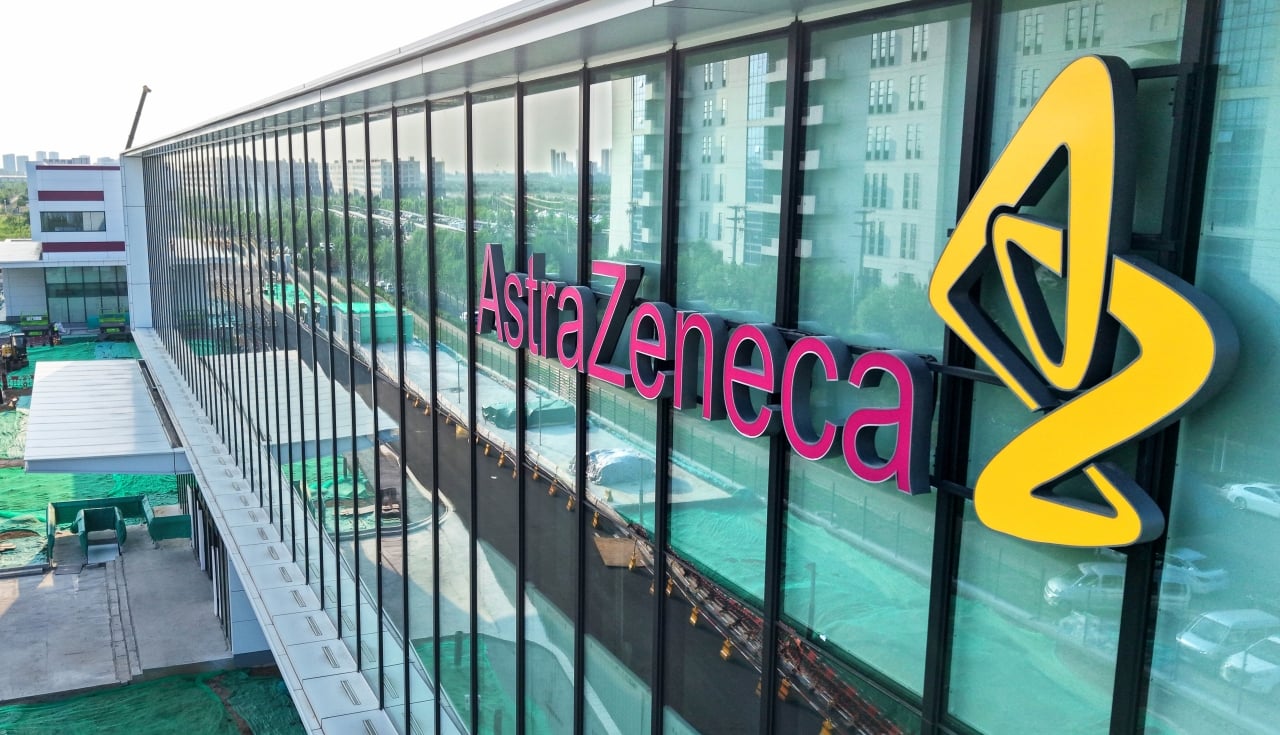
AstraZeneca will restart a £300 million ($404 million) investment program in the United Kingdom seven months after freezing it in protest over national drug pricing terms, according to Fierce Pharma. The package spans a £200 million ($271 million) construction project in Cambridge, England, first announced in 2024 and now expected to house around 1,000 employees, and additional funding for its Macclesfield site, described internally as a “lab of the future.” CEO Pascal Soriot tied the reversal to the government’s new rebate rate for innovative medicines, cut to 14.5% of NHS sales for 2026 from 22.9% in 2025, and to a U.S.-U.K. trade accord that waives import tariffs on prescription drugs for three years. Merck & Co., which also halted UK investment last year, told Fierce its position remains unchanged.
The reversal reads like the détente global pharma firms have been waiting for. The rebate shift marks a real improvement in net pricing versus 2025 and sends a signal that London wants to reel R&D spending back home. AstraZeneca’s decision reflects a sober reassessment of expected returns now that the U.K. will pay roughly 25% more for new drugs under the trade pact. That mix, lighter clawback and higher launch reimbursement, sharpens cash recovery for pipeline rollouts. Merck’s silence shows not every multinational trusts the new policy to last. If peers follow AstraZeneca, this could be the first steady thaw since the 2025 pricing standoff that shook investor faith in Britain’s life‑sciences edge. Frankly, it’s about time someone blinked.
For investors, the question is whether this restart turns into sustained capital spend or stays gradual. Facility openings on schedule could re‑rate the U.K. as an R&D hub after two years of drag from the Voluntary Scheme disputes. For employers and payers, the 14.5% rebate suggests a steadier reimbursement climate. Yet if the Treasury reopens the rate in 2027, the sector will likely pause again. Nobody really knows. The next signpost is whether Merck or others echo AstraZeneca’s move before year‑end. For PBM and benefits‑market implications, see RxPBM.ai.


