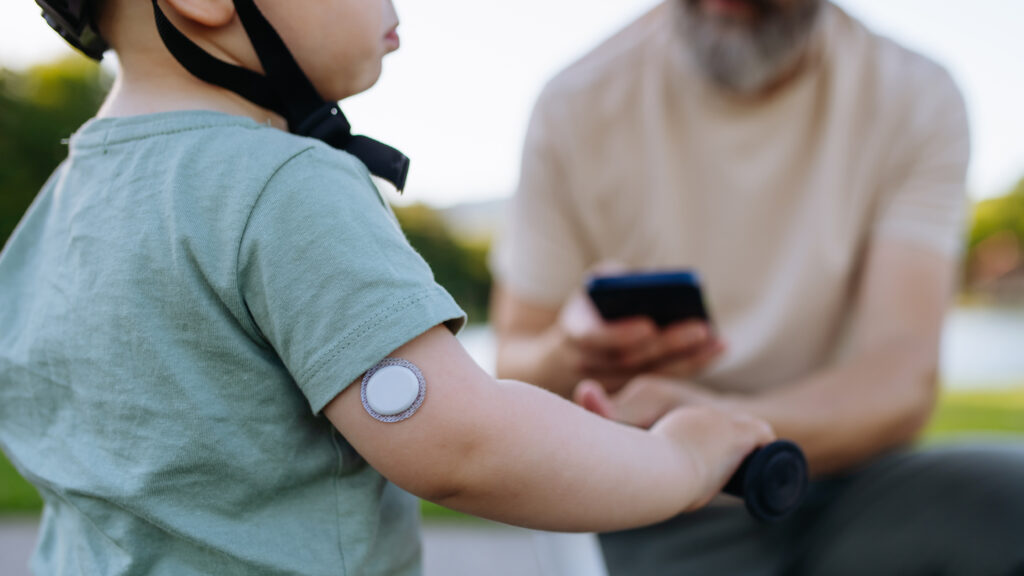
The newly cleared over-the-counter continuous glucose monitor (CGM) from Dexcom, called Stelo, opens a different route for consumer glucose tracking. According to STAT News, the device is being positioned not only for adult users managing blood sugar but also as a possible way to address childhood obesity. Its approval has stirred discussion among specialists over risks, potential benefits, and what is medically appropriate for very young children, including those reported to be as young as two years old.
This shift matters because it shows how fast metabolic tracking technology is moving beyond the traditional diabetes clinic and into general wellness and weight management. If pediatric adoption becomes routine, it could test how far consumer medical devices stretch into preventive health before stronger evidence or regulation steps in. In the near term, payers and pediatric groups are expected to focus on clinical value. Also on data privacy. And on the psychological impact of such early exposure to biometric monitoring.
Viewed through a market lens, Stelo may widen Dexcom’s reach beyond its core type 1 and type 2 diabetes users toward a broader, wellness-oriented base. The question now is whether U.S. regulators and pediatric health organizations will endorse, restrict, or formally evaluate CGM use in children without a diagnosed condition. The answer to that will determine whether CGM settles into mainstream wellness or continues as a primarily medical device.