$500 Billion: The Real Scale of PBM Control
When the Federal Trade Commission announced its latest actions against pharmacy benefit managers, one number towered over the rest in the staff report: more than $500 billion moves through PBMs each year in the US. That includes not just rebates and discounts, but nearly all commercial and government prescription drug spending. CVS Caremark, Express Scripts, and OptumRx together control close to 80% of it. The headlines often hammer drug manufacturers over list prices, but the power over real pricing and formulary choices is wielded in PBM boardrooms, which is precisely why the FTC is sharpening its focus here.
The agency’s formal inquiry, now heating up, targets the exact contract terms and rebate schemes that decide which drugs get prime coverage or are sidelined. Investigators have demanded granular data from the largest PBMs: spread pricing details, reimbursement rates to pharmacies, exclusive contract terms with insurers and drugmakers. The investigation goes far beyond claims processing. FTC officials are examining whether PBMs’ vertical integration, controlling their own mail order and specialty pharmacies, allows them to push competitors out and extract bigger margins, far beyond the “middleman” role they claim.
Drug manufacturers, for reference, take in about $360 billion in annual US revenue. PBMs, even if they don’t pocket the whole $500 billion, are the real gatekeepers in the system. It’s no wonder the FTC’s next moves are being watched by executives with a war-room’s intensity.
Rebates and Spread Pricing: The Black Boxes Get Sunlight
PBMs loudly tout their ability to “deliver value” by negotiating drug prices down through manufacturer rebates. Behind closed doors, though, almost nobody outside the handful of contracting teams and a few sharp insurer CFOs ever sees the reality. That opacity is at the core of the FTC’s latest data push. In 2022, PBMs collected more than $200 billion in rebates from manufacturers, based on filings. Only a fraction of that trickles back to sponsors or patients.
Spread pricing, the gap between what a PBM charges a plan and what it pays the pharmacy, remains the industry’s most lucrative secret. Recent state Medicaid audits surfaced internal PBM docs showing average kept spreads of $4-8 per prescription for generics, sometimes much higher for specialty meds. With nearly 6 billion prescriptions dispensed annually, even a modest $5 spread adds up to $30 billion in gross margin. For anyone trying to discern net drug costs, contract language is a maze of indirect definitions that block clarity. While platforms like RxInfo.ai offer some visibility into AWP, WAC, and list prices, the actual PBM-negotiated rates still remain closed off from public view.
Now, the FTC’s subpoenas demand real transaction-level data: invoice streams, rebate flows, pharmacy payments, sorted by client. If the agency forces public transparency or stricter reporting, reminiscent of past hospital billing reforms, it could fundamentally weaken PBMs’ position at the negotiating table. Whether the FTC ends up mandating full rebate pass-through or just exposes what’s already happening, the impact for pricing and benefit design will be immediate. And potentially severe.
Vertical Integration’s Impact: The Independent Pharmacy Squeeze
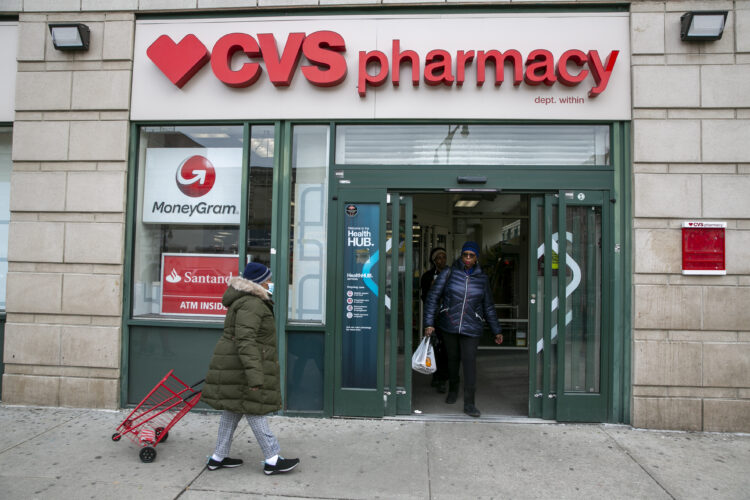
CVS Health, today’s largest PBM owner, also runs the country’s biggest retail pharmacy and controls Aetna, a giant among health plans. Express Scripts belongs to Cigna. OptumRx answers to UnitedHealth. This is not just paperwork or convenient branding. It shapes the industry’s money flows. According to RxPBM.ai, PBMs’ in-house mail order and specialty pharmacies now fill as much as 60% of specialty drug prescriptions for their own members. Meanwhile, independents are routinely reimbursed less than their cost to acquire those same drugs, while PBM-owned outlets receive higher rates for identical claims.
The FTC is investigating if practices like “steering”, preferential rates, exclusionary formularies, or sluggish credentialing, are methodically pushing patients away from local pharmacies into PBM-affiliated channels. From 2021 to 2023, over 1,600 US independents shuttered, with the pace quickening alongside PBM network consolidation. Are these maneuvers illegal under the Clayton Act, or simply ruthless market play? That’s still under review. PBMs maintain that their tight networks allow for bigger rebates and lower costs, but that argument is losing its edge amid growing scrutiny from Congress and state attorneys general.
DIR fees, those retroactive charges PBMs hit pharmacies with months after transactions, have attracted special attention. These fees, which topped $12 billion in 2022, can wipe out what little margin remains for independent pharmacies and, in practice, rarely reflect any clinical quality metric. PBMs insist these fees align incentives. The reality: unpredictability and a lack of transparency make rational financial planning impossible for any pharmacy outside the PBM’s club.
Looking Ahead: Regulation, Disintermediation, and an Unsettled Market
The FTC’s next steps could reshape the PBM landscape within half a decade. The agency can’t regulate prices, but does wield power over transparency and antitrust compliance. Simply exposing transaction flows could trigger new industry norms without any formal price caps. If rebates are fully passed through, PBMs would feel pressure to charge steady administrative fees rather than chasing margins through spreads. For context, federal contracts like TRICARE already operate with flat per-claim fees, typically $3 or so, dramatically lower than the $5-$10 average spreads seen in commercial plans.
Meanwhile, manufacturers may well shift toward contracts tied to net pricing or measurable outcomes, bypassing rebates altogether, especially for expensive specialty drugs, where rebate-driven coverage decisions warp the market. Some payers are already piloting direct pharmacy contracts for generics and biosimilars. Easier said than done, of course. If the FTC clears a path, though, large employer groups and hospital alliances could experiment with bypassing the traditional PBM altogether, at least for targeted drug classes. For those tracking this evolving market, RxBenefits.ai offers a running view of plan design and reimbursement changes.
For retail and independent pharmacists, these regulatory winds bring as much risk as hope. Even if new rules bring fairer reimbursement, the scale and integration advantages of PBM-owned pharmacies won’t disappear in a hurry. Employers and health insurance buyers, on the other hand, must start digging into their contracts, fast. A 10% change to rebate and spread distribution would swing $20 billion annually, a sum bigger than the combined annual profits of the top three PBMs.
Investors have already taken note. Over the last year and a half, shares of PBM parent companies at times lagged the broader healthcare sector, pricing in risk from looming FTC action. Drug manufacturers, meanwhile, are scrambling to build “rebate complexity” teams, even as they petition for simplified models or look to bypass the PBMs themselves.
The FTC’s campaign is still gaining steam. Yet every corner of US drug distribution is already on alert. Sure, the headlines will scream about drug prices. But keep your eyes on that rebate line. That’s where the real money, and the most interesting battles, are brewing.