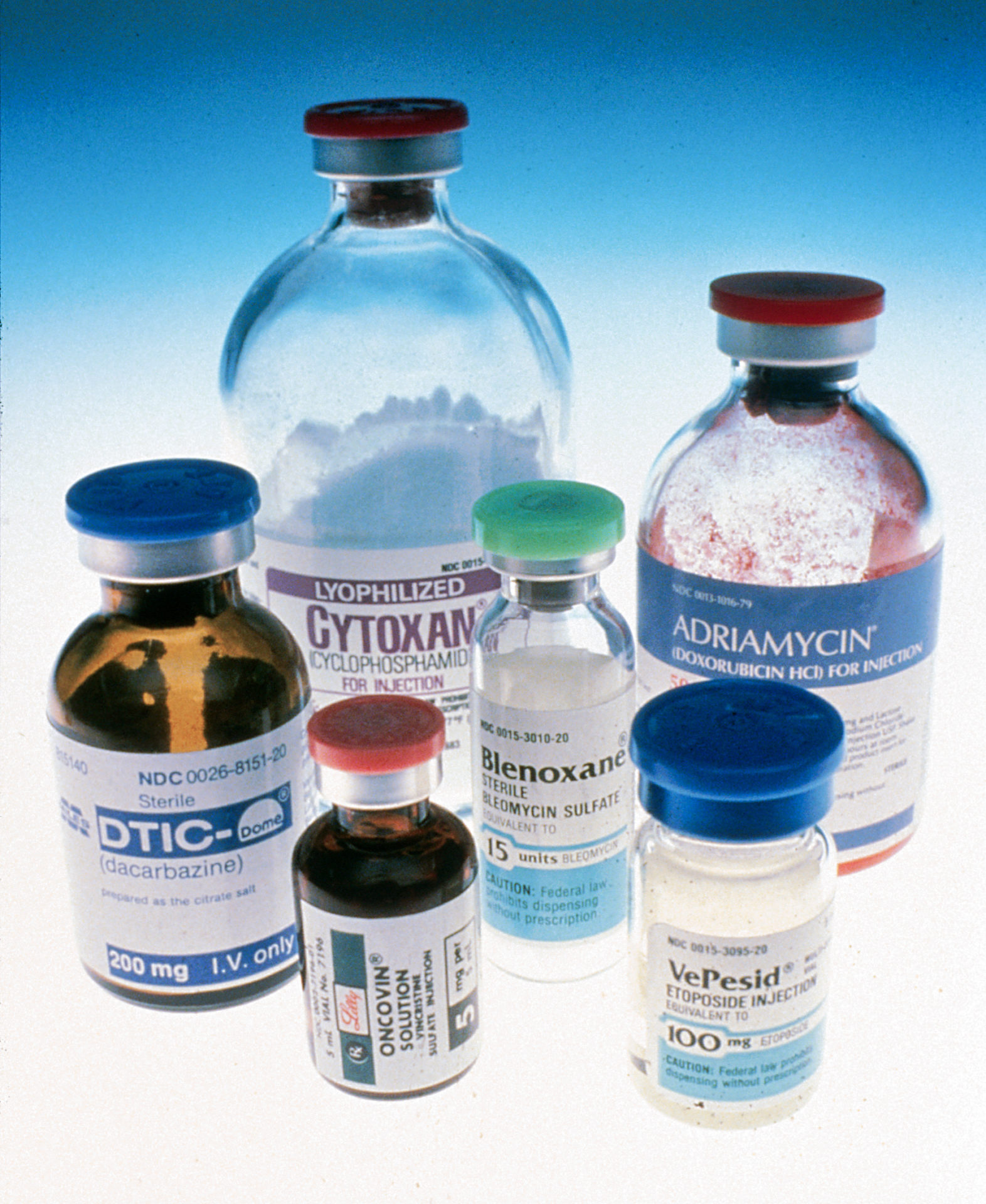
The FDA's drug shortage database lists 312 active shortages as of March 2025, the highest count in a decade. Sterile injectable generics account for 61% of active shortages, with oncology supportive care drugs (carboplatin, cisplatin, methotrexate) in their second consecutive year of constrained supply.
The root cause analysis is straightforward: generic sterile injectables are manufactured by a concentrated set of suppliers operating facilities with thin margins. The top 5 manufacturers produce 78% of US generic injectable volume. When one facility encounters quality issues or demand spikes, the entire market destabilizes. Intas Pharmaceuticals' FDA import alert in November 2022 triggered the current oncology shortage wave.
GPO contracting practices contribute to the fragility. Committed-volume contracts with sole-source or dual-source suppliers optimize unit cost but eliminate supply redundancy. Vizient and Premier have both introduced multi-source contracting requirements for shortage-prone categories, but implementation is slow because multi-sourcing increases per-unit costs by 8-15%.
Hospital pharmacies report that shortage management now consumes 20-30% of pharmacist time. The American Society of Health-System Pharmacists (ASHP) survey found that 94% of hospitals experienced at least one shortage-related treatment delay in the past year. Congress has introduced three bills addressing drug supply chain resilience, but none have advanced past committee.