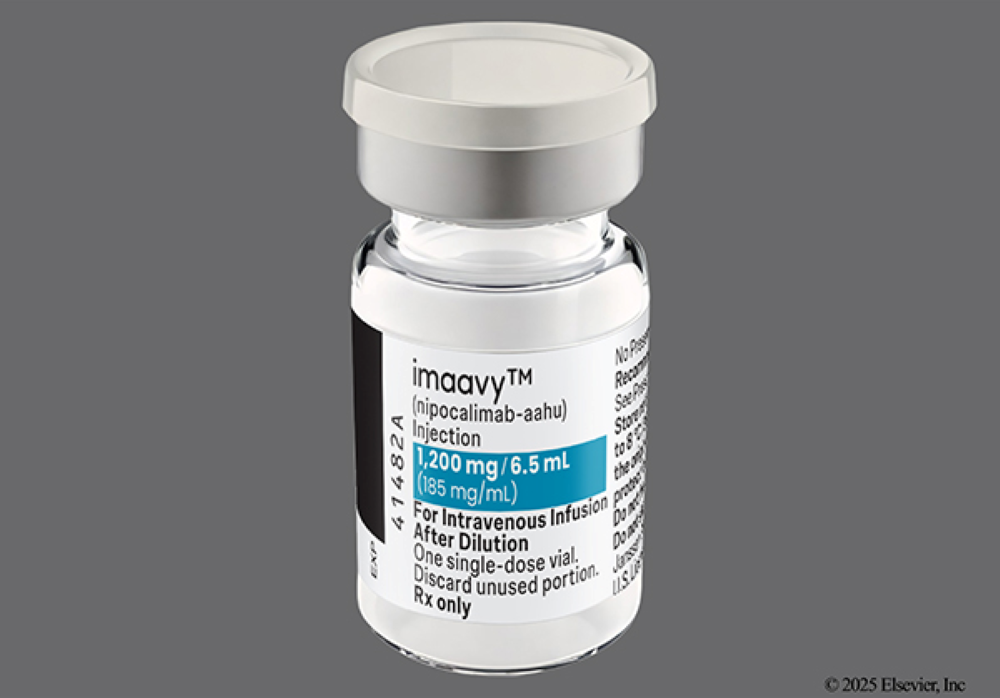
Johnson & Johnson has reported results from its pivotal phase 2/3 Energy study showing that its FcRn blocker, Imaavy, delivered a statistically significant and sustained red blood cell response in patients with warm autoimmune hemolytic anemia (wAIHA). The trial enrolled 115 participants, randomized 1:1:1 to two Imaavy doses or placebo. Nearly two‑thirds of patients receiving 30 mg/kg hit the primary endpoint: an increase in hemoglobin of at least 2 g/dL, reaching at least 10 g/dL and maintained for 28 days without rescue therapy. The placebo group lagged far behind. Patients also showed early and steady improvements in fatigue by week 2, along with notable reductions in steroid use. Safety data aligned with prior findings in generalized myasthenia gravis. J&J has already filed for approval at the 30 mg/kg dose, and the FDA granted priority review in April 2026.
If approved, Imaavy would represent the first therapy specifically cleared for wAIHA, a rare, potentially fatal condition still treated mainly with corticosteroids and immunosuppressants. That status positions J&J to secure a durable foothold in a small but significant hematology segment before rival FcRn candidates arrive. Given that Imaavy entered the myasthenia gravis market as the third FcRn antibody since 2021, success here would flip its story, from third‑to‑market to pacesetter in autoimmune hematology. For payers, an orphan indication could justify premium pricing and extend market protection, but formulary decisions will depend on the demonstrated durability of benefit, not just the p‑value slides. And honestly, payers have grown wary of orphan drugs that underdeliver once broad use begins.
Investors are following two threads: how the FDA manages its review under the priority timeline, and which among other FcRn developers decides to test in wAIHA next. If the agency’s feedback mirrors its precedent from gMG approvals, clearance could arrive before year‑end 2026, broadening J&J’s autoimmune footprint. Beyond regulatory timing, the pipeline dynamics matter just as much. Momentum in this niche will depend on how well the class as a whole sustains response rates once commercial use expands. For more on FcRn market economics and specialty drug reimbursement patterns, see RxPBM.ai. Then again, real‑world data have a way of humbling even the best analysts, so the story isn’t finished yet.