The week’s biotech docket centered on Novo Nordisk’s lawsuit against Eli Lilly over GLP‑1 medicines, litigation that touches both competition and Medicare pricing dynamics. At the same time, AI firm Anthropic reportedly widened its partnerships in rare‑disease drug development, a notable expansion of its life‑science reach. The roundup also mentioned continued filings and corporate updates across several biotech names. One confirmed regulatory action: Ultragenyx Pharmaceutical filed a Form 4 on July 6, 2026, covering an insider transaction.
The Novo‑Lilly dispute highlights just how dominant GLP‑1s have become, therapeutically and commercially alike. A lawsuit between the two leaders in this class signals mounting pressure as the category intersects with Medicare price‑setting and patent issues. If the claims address exclusivity or intellectual property scope, the outcome could influence how payers and policymakers weigh brand distinctions across GLP‑1 portfolios. Analysts will watch to see whether the litigation seeps into formulary negotiations, or slows development of follow‑on compounds.
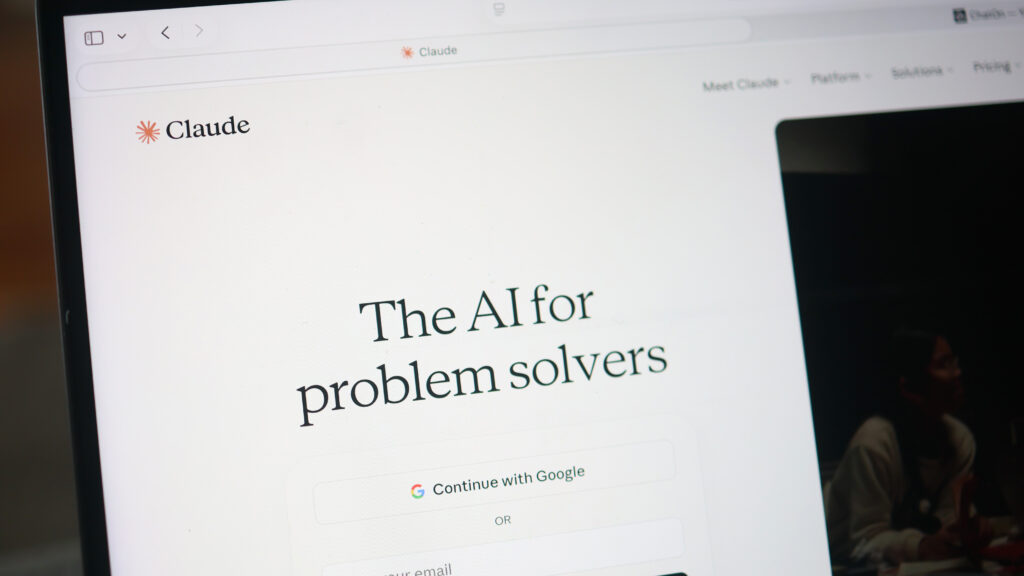
Anthropic’s entrance into rare‑disease drug discovery points to another frontier entirely: generative AI moving deeper into preclinical design and biomarker modeling. The likely takeaway is that biotech firms are turning to algorithmic partnerships to compress early‑stage timelines and blunt attrition risk. The brief did not specify the full range of Anthropic’s work, but the step hints at an ongoing convergence of tech and biotech capital. Investors may track which pharma groups lock in AI‑based discovery deals this year, and whether any show up in SEC filings through 2026.