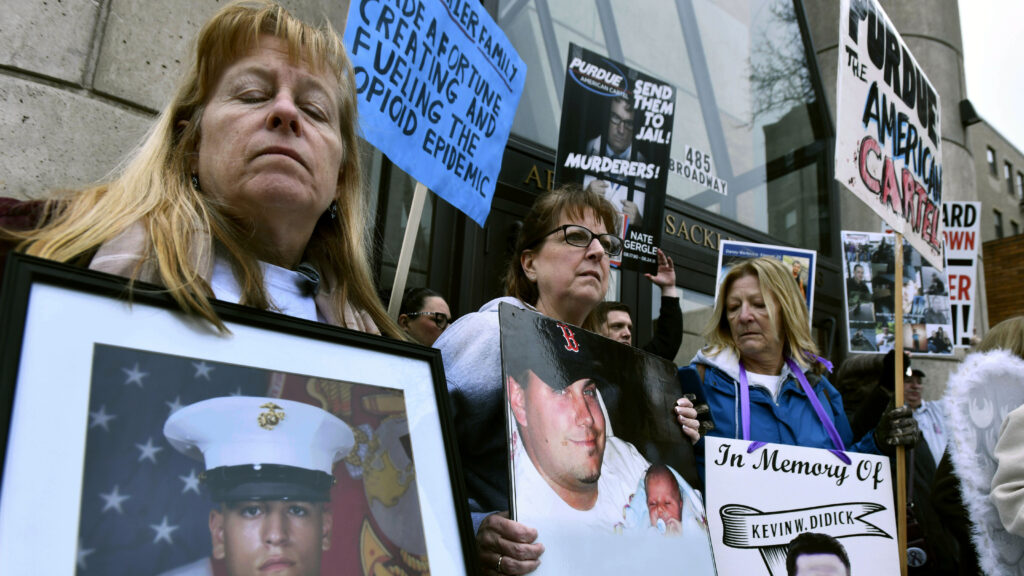
At a court hearing that featured testimony from families shattered by opioid addiction, parents who lost children to overdose, a teenager born into withdrawal, a judge approved the criminal sentence that formally begins the dissolution of Purdue Pharma, maker of OxyContin. The decision concludes one of the longest, most watched corporate criminal cases in pharmaceutical history.
This ruling closes the final legal chapter of a company long intertwined with the U.S. opioid crisis. After years of litigation and settlements, it redefined how courts and regulators view corporate responsibility in controlled substance marketing. The case established that pharmaceutical firms can face criminal consequences not only for their manufacturing decisions but for the downstream harms tied to their promotional strategies. Though centered on Purdue, the outcome reshapes compliance expectations for every entity along the opioid supply chain, distributors, PBMs, even prescribing networks.
Across the industry, many view the decision as both symbolic and operational. Purdue’s assets now move into supervised dissolution, but attention shifts to how successor trusts will manage restitution funds and whether this model becomes a blueprint for future actions against producers of addictive therapeutics. Enforcement data suggest DOJ and FDA will continue testing that boundary. For policy analysts and payers, this marks a harder turn toward accountability, commercial behavior tied directly to public health impact. And honestly, after years of finger-pointing and stalled settlements, some in the field admit it feels overdue. The case closes, but the debate over where responsibility ends does not.


