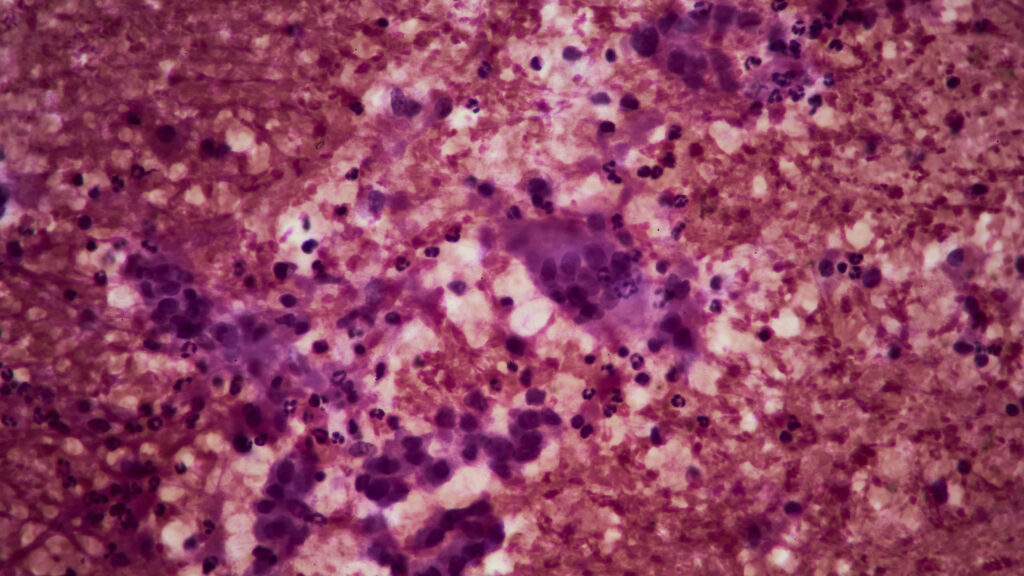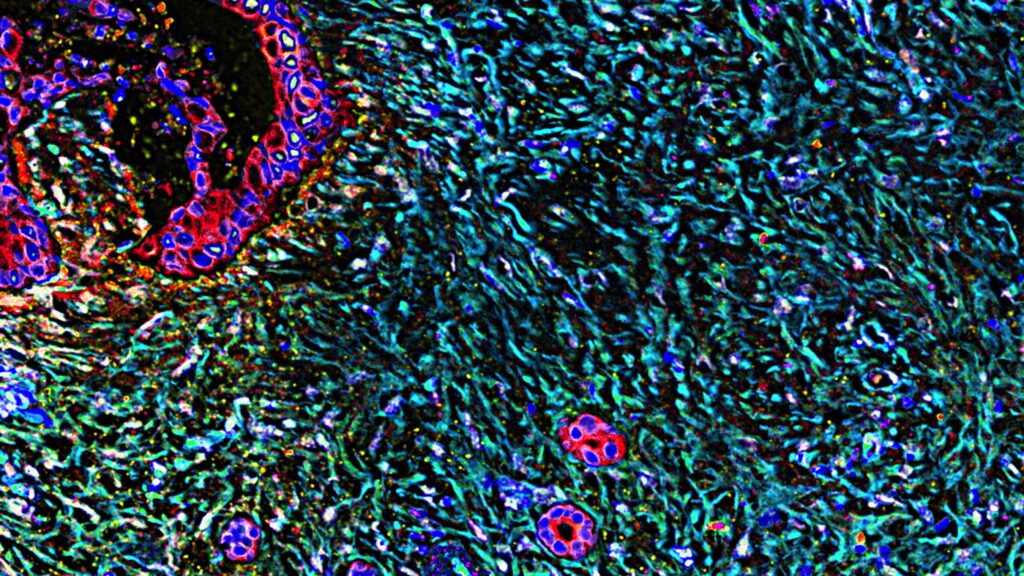
Revolution Medicines’ experimental pancreatic cancer drug, still awaiting its first regulatory decision, is drawing speculation far beyond its initial use case, according to STAT News reporting from June 4, 2026. The conversation has already moved past “will it be approved” toward “how far can this go,” and that shift says a lot about sentiment around both the company and its science.
That kind of talk matters. Confidence in an unapproved oncology therapy rarely expands this early unless investors and physicians see something meaningful in the data. In this case, the buzz suggests some market watchers view Revolution Medicines as a serious contender in KRAS‑driven cancers, a field long dominated by major pharma. If the company demonstrates efficacy in pancreatic tumors, oncologists will start sketching out other uses, earlier lines, perhaps combo trials. For investors, those discussions don’t just speak to one drug but to the perceived strength of the platform that produced it.
Still, the excitement comes with risk. The market has a habit of reading promise as proof, and precision oncology has given us more than a few cautionary tales. If pivotal results disappoint, the lofty “pan‑tumor” story could unwind fast. Yet if the signal holds, Revolution might reset expectations across the RAS landscape and push rivals to rethink development timelines. Nobody really knows yet, but the level of attention is telling. Pipeline teams, payers, and every biotech analyst who’s been burned before will be waiting for those first safety updates and filing details, because talk of expansion always sounds good until the numbers arrive. For related oncology coverage, visit RxNews.ai.