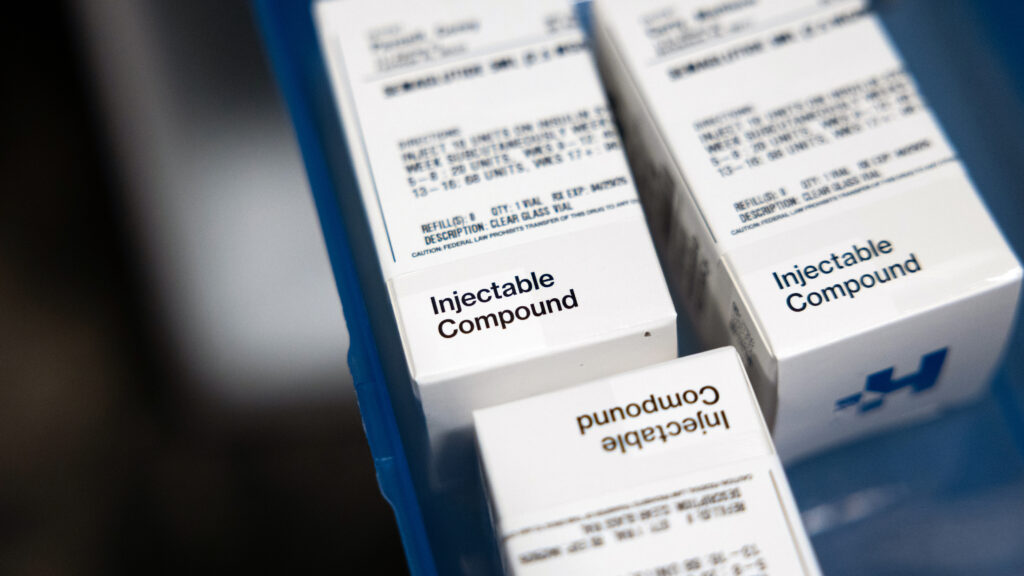
What happened STAT reported on October 22, 2026, that telehealth providers are promoting GLP-1 drugs for addiction through off-label prescribing, effectively moving ahead of any FDA approval for that use. The central concern, based on the source summary, is not only the promotion itself. It is the care model around it: experts cited by STAT warned that this approach could fragment care and expose patients to unknown risks.
Why it matters Telehealth is again testing how far demand can pull prescribing beyond the labeled evidence base. The source does not identify a specific company or product. Still, the framing flags a familiar tension for payers, regulators, and investors: consumer-facing access can scale faster than clinical consensus. If that trend holds, plans and PBMs may face tougher utilization questions around GLP-1 prescribing in areas where the regulatory and evidence picture is still unsettled. For broader drug pricing context, see RxInfo.ai.
For industry watchers, the next question is where scrutiny lands: marketing practices, continuity of care, or both. The expert concerns highlighted by STAT, fragmented care and unknown risks, suggest the pressure point may be less about physician discretion in the abstract than about whether telehealth models can support appropriate follow-up, coordination, and patient selection when a high-profile drug class moves into an off-label setting. That would matter not only for GLP-1 manufacturers, but also for employer benefit managers deciding where access should widen and where guardrails should tighten. For employer-side PBM benchmarking, see RxPBM.ai.