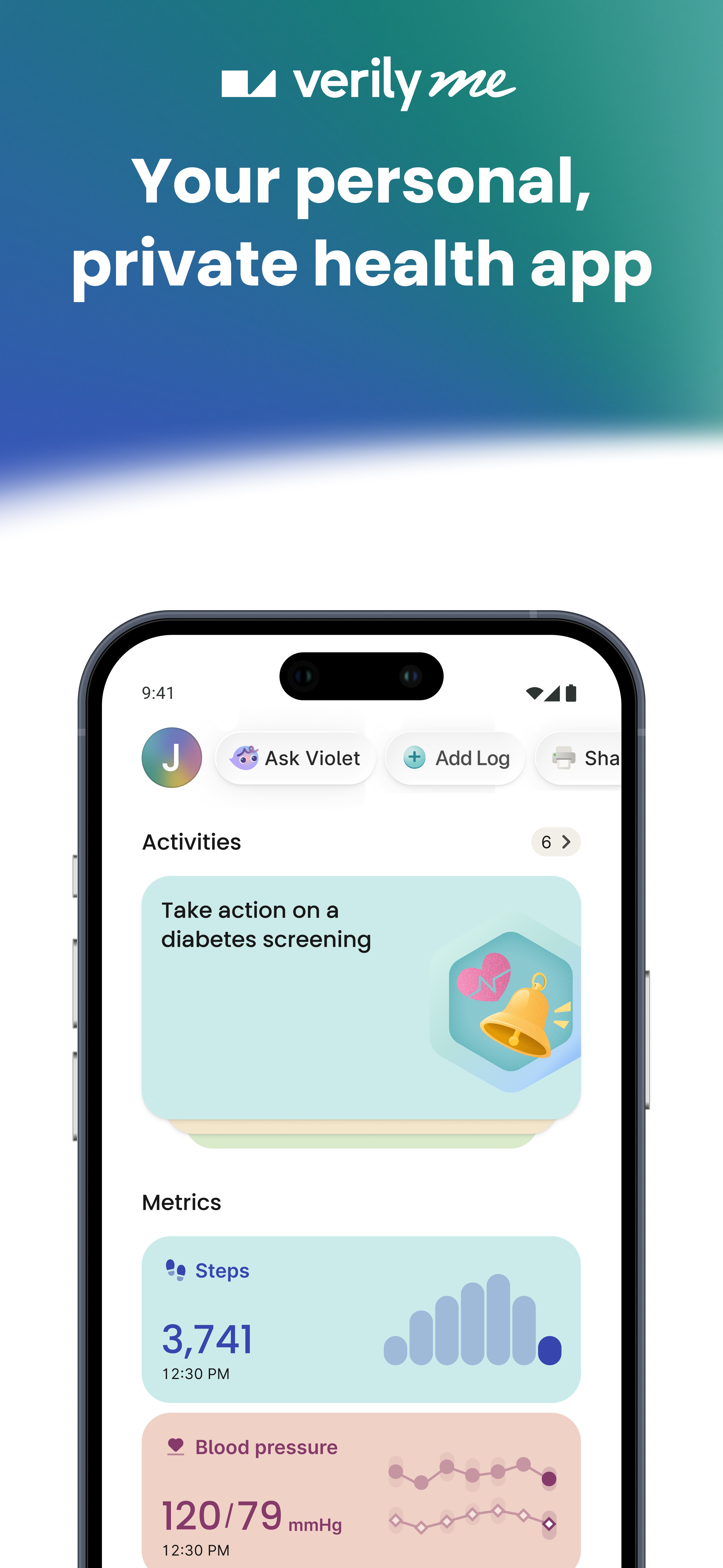
Verily Health, the Alphabet-owned healthcare technology company, has rolled out its first major national advertising push for Verily Me, a free AI-driven app built to help users decode medical jargon and coordinate care. Alix Hart, Verily’s chief marketing officer, said the “Make it Make Sense” campaign, created with Bartle Bogle Hegarty New York, extends the company’s core aim: making health management understandable for people juggling multiple conditions. Verily Me left beta in February after an October launch and now connects users with licensed clinicians for recommendations based on their medical records. It features an AI companion named Violet, available around the clock to answer health questions, plus a new symptom check tool positioned as a private journal for tracking concerns. Early ad spots, “A Case of the Umms” and “Medical Term Soup,” spotlight Violet’s ability to turn sterile data into language people can actually use, translating lab numbers or clinical notes into next steps they can act on.
The campaign marks Verily’s shift from platform builder to consumer brand, reframing it as something more visible than a quiet Alphabet offshoot. The company wants consumers to see Verily Me as a credible interface between patients and clinicians, not just another AI healthcare experiment. If the message lands, Verily Me could fill the middle ground between symptom-checker apps and provider portals, a spot currently occupied by loosely regulated AI chatbots. The messaging built around licensed-clinician integration also shows Verily taking a defensive stance. They’re moving early to avoid the privacy alarms that have already come for less disciplined entrants in health AI.
For insurers and providers, this kind of product signals a real shift in patient engagement. AI that doesn’t stop at interpreting data, but actually turns it into behavioral insight. If adoption expands, clinicians could see lighter administrative loads and patients who come to visits informed instead of confused. The open question is what that does to reimbursement models or telehealth workflows, nobody really knows yet. One reading: Verily is testing its brand credibility now to open doors later, pushing Violet’s utility into population health or employer benefit integrations tied to PBM and plan data streams tracked on RxBenefits.ai. Personally, I think that test will say more about consumer trust than any marketing metric. The real measure in 2026 will be simple, whether users treat Verily Me as a partner in their care, or just another app they delete when storage runs low.


